Best Rewards to Offer Coffee & Tea Customers in 2026
The best coffee and tea rewards tap into what makes this industry unique: discovery, ritual, and connoisseurship. Your customers do not just want cheaper coffee. They want access to rare single-origins, the knowledge to brew better, and the feeling of being an insider. If you are building your loyalty program from scratch, our loyalty program ideas for coffee and tea stores gives you the full picture. This page focuses specifically on which rewards drive the most engagement and reorders.
73%
of specialty coffee customers prefer experiential rewards (early access, tastings, exclusive blends) over straight discounts when choosing a loyalty program
Specialty Coffee Association Consumer Preferences Survey 2025
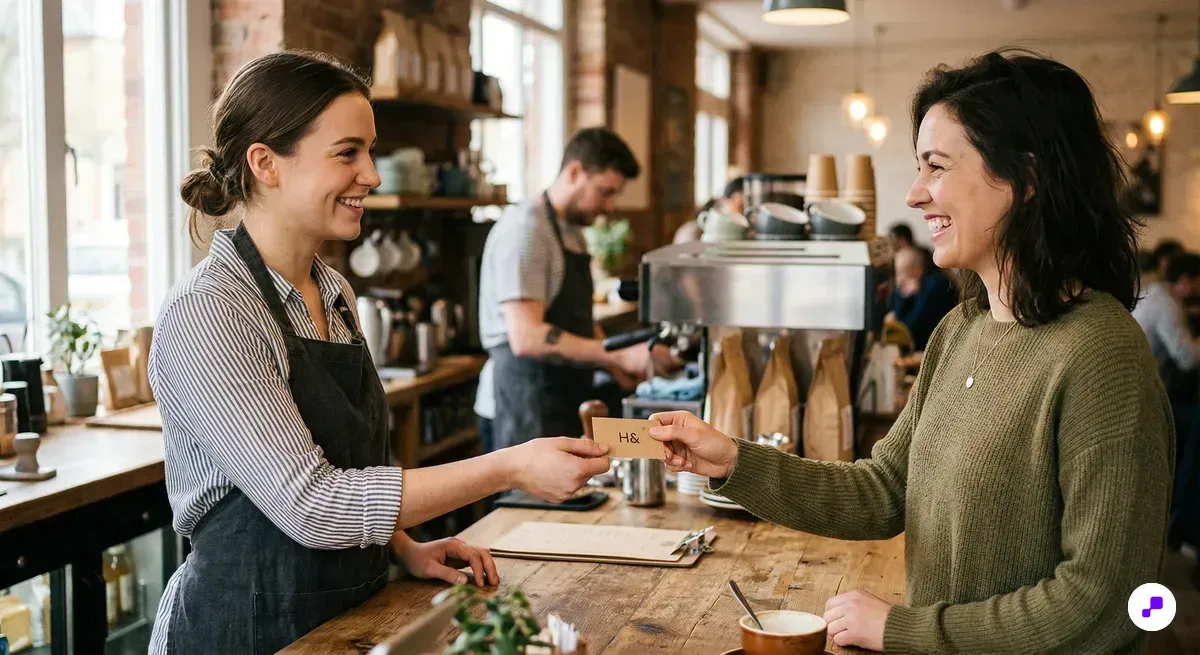
Coffee shops build lasting loyalty through personalized reward experiences
Product-Based Rewards That Drive Reorders
The simplest and most effective rewards for coffee and tea brands are product-based. They cost you wholesale price but feel like full retail value to the customer. The key is choosing products that encourage exploration, not just more of the same.
Free Bag After X Purchases
high impactbeginner
The classic coffee reward, but done right. After a set number of purchases (8-10 is the sweet spot for specialty coffee), the customer earns a free bag of their choice. Keep the threshold achievable -- if it takes 6 months of weekly orders, most will never reach it.
Example
A specialty roaster offers a free 250g bag after every 10 purchases. Their punch-card completion rate is 72% with wallet passes vs 18% with physical cards.
Wallet Pass Angle
Display progress on wallet pass: '7/10 bags purchased -- 3 more to your free bag.' Push notification at completion: 'Your free bag is ready to claim!'
Limited-Edition Sample Rewards
high impactbeginner
Let customers redeem points for small samples (60g) of limited-edition or micro-lot coffees and teas they cannot buy anywhere else. This is powerful because it costs you almost nothing but creates exclusivity. The sample also acts as a gateway to a full-price purchase.
Example
A single-origin roaster offers 60g sample packs of micro-lots as a 500-point reward. 34% of sample redeemers go on to buy a full bag of that same coffee at full price within 2 weeks.
Brewing Equipment Upgrade Rewards
medium impactbeginner
Offer brewing accessories (filters, grinders, travel mugs, gaiwan sets) as higher-tier point redemptions. These rewards keep your brand physically present in the customer's daily routine -- every time they use that grinder, they think of your coffee.
Example
A tea brand offers a branded ceramic gaiwan as a 2,000-point reward. Recipients post unboxing photos on social media at a 4x higher rate than other reward types.
Custom Blend Creation Reward
high impactadvanced
At a high point threshold, let customers work with your roaster to create a personalized blend. Name it, design the label, and add it to their subscription. This is the ultimate product reward -- something money literally cannot buy. It also creates deep emotional investment in your brand.
Example
A specialty roaster offers custom blend creation at 5,000 points. The 23 customers who have redeemed this reward have an average lifetime value 6x higher than the brand average.
Subscription Upgrade Month
high impactbeginner
Let loyalty members redeem points to upgrade their subscription box for one month -- from standard to premium, from 250g to 500g, or from a blend to a single-origin. This introduces them to a higher tier of product without the commitment of a permanent upgrade.
Example
A coffee subscription brand lets members upgrade for one month with 800 points. 41% of customers who try the premium tier permanently upgrade, increasing their average monthly spend by 35%.
Experiential Rewards That Build Loyalty
Coffee and tea customers are enthusiasts who value experiences as much as products. These rewards create memories and stories that no discount can match. They also cost far less to deliver than their perceived value. See the full coffee shop loyalty program guide for structuring experiences.
Virtual Cupping Session Access
high impactintermediate
Offer exclusive virtual cupping sessions led by your head roaster or tea master as a reward. These intimate 30-minute sessions cost almost nothing to host but create a personal connection that transforms customers into advocates. Limit seats to 15-20 for intimacy.
Example
A specialty roaster hosts monthly virtual cuppings for 15 loyalty members. Attendees have a 100% 12-month retention rate and their post-session purchase rate is 89%.
Roastery or Tea Garden Virtual Tour
medium impactintermediate
Create a live-streamed tour of your roastery, partner farm, or tea garden as a high-tier loyalty reward. Show the machines, the process, the people behind the product. Customers who see where their coffee comes from develop a connection that competitors cannot replicate.
Example
A direct-trade coffee brand live-streamed a harvest tour from their partner farm in Guatemala. 200 loyalty members watched, and their 90-day retention rate was 95%.
Wallet Pass Angle
Event access delivered via wallet pass with countdown timer. Tap to join the live stream and earn 500 bonus attendance points.
Early Access to New Releases
high impactbeginner
Give loyalty members 24-48 hours of early access to new product launches, seasonal blends, and limited releases before the general public. This is the single most cost-effective reward you can offer -- it costs nothing but creates genuine exclusivity.
Example
A tea brand gives Silver+ members 48-hour early access to seasonal releases. These pre-launch windows sell out 60% of limited-edition inventory before the public launch.
Wallet Pass Angle
Push notification 24h before public launch: 'Your early access to our Spring First Flush starts now. Tap to shop before it sells out.'
Brewing Masterclass Reward
high impactadvanced
Offer a 1-on-1 or small-group brewing masterclass (virtual or in-person) as a premium reward. Cover advanced techniques: espresso dialing, pour-over ratios, gongfu tea ceremony. The education deepens their appreciation for quality -- which means they value your premium products more.
Example
A specialty brand offers quarterly masterclasses for top-tier members. Graduates spend an average of 28% more on equipment and premium beans in the 6 months following the class.
Name a Blend Contest Entry
medium impactbeginner
Run quarterly contests where loyalty members can submit and vote on names for upcoming seasonal blends. The winner gets their name featured on the packaging. This crowdsourced creative approach costs nothing but generates excitement and social sharing.
Example
A roaster runs quarterly naming contests for seasonal blends. Each contest generates 200+ submissions and 1,500+ votes, with social shares driving 15% more traffic to the product page.
Tiered Access Rewards
These rewards unlock at specific loyalty tiers, creating aspirational goals for your customers. They work because coffee and tea enthusiasts love the idea of earning insider status. For detailed tier structures, see VIP tier examples for coffee and tea.
Free Shipping Unlock
high impactbeginner
Offer permanent free standard shipping once a customer reaches your second loyalty tier. For a product that ships every 2-4 weeks, shipping costs are a real friction point. Removing them for loyal customers is one of the highest-impact, lowest-cost rewards you can offer.
Example
A tea brand unlocks free shipping at Silver tier ($75 lifetime spend). Silver members order 2.6x more frequently than non-members, and cart abandonment dropped 38%.
Priority Access to Micro-Lots
high impactintermediate
Reserve your rarest, most limited coffees and teas exclusively for top-tier members. These micro-lots often sell out in hours -- giving VIPs first dibs creates genuine scarcity value. This reward costs you nothing (you were going to sell the product anyway) but drives tier aspiration.
Example
A specialty roaster reserves 30% of micro-lot inventory for Platinum members. Platinum members have 96% annual retention, and the exclusivity drives Gold members to spend more to reach Platinum.
Wallet Pass Angle
Push notification for VIP members only: 'A 50-bag micro-lot of Geisha just arrived. Your Platinum access starts now -- 4 hours before public release.'
Dedicated Customer Support Line
medium impactintermediate
Give your top tier a direct communication channel -- whether that is a dedicated email, a WhatsApp group, or priority chat. For high-value coffee and tea customers, knowing they can reach a real person instantly is worth more than any point reward.
Example
A premium tea brand gives Diamond members a direct WhatsApp line to their tea sommelier. Diamond members rate their experience 4.9/5 and have zero churn over 18 months.
Annual Loyalty Gift Box
high impactintermediate
Send a curated gift box to your top-tier members once a year -- featuring exclusive products, branded merchandise, and a handwritten note. This physical touchpoint in a digital world creates a powerful emotional anchor. The unboxing often ends up on social media, too.
Example
A coffee brand sends annual gift boxes (valued at $60, costs $22) to Gold+ members. 78% of recipients share the unboxing on social media, generating an average of 340 impressions per post.
Subscription Discount Tier Perk
high impactbeginner
Offer escalating subscription discounts by tier: Silver gets 5% off subscriptions, Gold gets 10%, Platinum gets 15%. This rewards frequency and commitment while keeping the discount tied to recurring revenue. Non-subscription purchases stay at full price.
Example
A roaster offers tiered subscription discounts. 67% of loyalty members subscribe (vs 24% of non-members), and the subscription discount is offset by 3.2x higher lifetime value.
Wallet-Powered Reward Delivery
How you deliver rewards matters as much as what the reward is. Wallet passes make reward discovery, tracking, and redemption effortless -- which means higher engagement with every reward type listed above.
One-Tap Reward Redemption
high impactbeginner
Let customers browse and redeem available rewards directly from their wallet pass reverse side. No logging into a website, no remembering passwords. The fewer steps between 'I have a reward' and 'I used my reward,' the higher your redemption rate.
Example
A coffee brand enabled one-tap reward redemption via wallet pass. Redemption rates increased from 23% (web portal) to 71% (wallet), meaning more customers actually use and value the program.
Wallet Pass Angle
Wallet pass reverse side shows available rewards with one-tap redemption links. Each link adds the reward to cart automatically.
Surprise Reward Push Notifications
high impactintermediate
Randomly trigger unexpected rewards via wallet push notification. A free sample, bonus points, or an upgrade -- sent on a Tuesday afternoon with no occasion. Unexpected rewards create stronger emotional responses than predictable ones because they activate the novelty circuit.
Example
A tea brand sends monthly surprise rewards to random loyalty members. Recipients have 2.4x higher engagement in the following 30 days compared to non-recipients.
Wallet Pass Angle
Random push notification: 'Surprise! We just added a free 60g sample of our new Rwandan to your next order. No action needed -- it is already in there.'
In-Store Reward Scanning
high impactintermediate
For brands with physical locations, let customers scan their wallet pass at the counter to instantly see and redeem available rewards. The barista can see what they have earned and apply it in real-time. This bridges online loyalty to the physical experience.
Example
A roaster with 3 cafe locations enabled in-store wallet redemption. In-store reward usage increased 280% compared to the previous 'tell the barista your email' system.
Wallet Pass Angle
NFC tap at counter: customer's available rewards appear on the POS screen. Barista applies the reward with one click. Total time: under 5 seconds.
Reward Expiry Countdowns
medium impactbeginner
Display expiry dates for earned rewards on the wallet pass and send countdown notifications at 14, 7, and 1 day before expiration. Most loyalty programs lose engagement when rewards expire silently. Making expiry visible and urgent drives action.
Example
A specialty coffee brand added expiry countdowns to wallet passes. Reward redemption before expiry jumped from 34% to 67%, saving an estimated $8,400 in unredeemed value annually.
Wallet Pass Angle
Wallet pass displays: 'Free bag reward expires in 3 days.' Push notification: 'Your free bag reward expires Friday -- tap to redeem before it is gone.'
Gifting Rewards to Friends
medium impactadvanced
Let loyalty members gift their earned rewards to friends via a shareable wallet pass link. The friend receives a wallet pass pre-loaded with the gifted reward. This turns your loyalty program into a referral mechanism -- every gifted reward introduces a new potential customer.
Example
A tea brand lets members gift rewards to friends. 28% of gift recipients sign up for their own loyalty membership, with a $38 average first order.
Wallet Pass Angle
One-tap 'Gift This Reward' button on wallet pass. Friend receives a shareable link that installs a guest wallet pass with the reward ready to redeem.
Pro Tips for Coffee & Tea
1
The most effective coffee and tea rewards combine low cost to you with high perceived value to the customer. A 60g sample of a micro-lot costs $3 but feels like a $15 exclusive experience. Focus on rewards where this gap is widest.
2
Time your best rewards around consumption milestones, not calendar dates. A customer's 10th bag is more meaningful than a random Tuesday promotion. Use Shopify Flow to track and trigger milestone rewards automatically.
3
Always offer at least one achievable reward within the first 2-3 purchases. If your first reward requires 6 months of buying, most customers will disengage before reaching it. Front-load the gratification.
4
Stack experiential rewards (cupping sessions, early access) with product rewards (free bags, samples) across your tiers. Experiential rewards build emotional loyalty; product rewards drive transactions. You need both.
5
Test reward effectiveness by tracking not just redemption rate but post-redemption behavior. A reward that gets redeemed but does not lead to another purchase within 30 days is not working. The best rewards create a reorder within 2 weeks.
Common Mistakes to Avoid
✕
Offering only percentage-off discounts as rewards. Coffee and tea customers (especially specialty buyers) are not primarily price-motivated -- they are taste and experience motivated. Discounts erode your brand positioning without building real loyalty.
✕
Making reward redemption complicated. If a customer needs to log into a portal, copy a code, and apply it at checkout, most will not bother. Wallet-based one-tap redemption removes all friction and increases redemption by 3x or more.
✕
Setting the same reward structure for all customer types. A subscriber who orders monthly needs different rewards than a gift buyer who shops twice a year. Segment your reward catalog by customer behavior, not just point balance.
Coffee & Tea Benchmarks
32-48% for specialty coffee and tea; brands with optimized reward programs reach 58%+
Avg. Repeat Purchase Rate
$240-$500 over 24 months for engaged loyalty members in specialty coffee and tea
Avg. Customer Lifetime Value
71% of coffee and tea consumers are more likely to reorder from a brand with a rewards program vs one without
Loyalty Program Adoption
Deliver Rewards Your Coffee Customers Actually Want
omnichannel reward delivery, one-tap redemption, and automated milestone triggers. built for coffee and tea brands on Shopify.
Start by implementing 2-3 rewards from the product-based and experiential categories. Track redemption rate and 30-day post-redemption reorder rate as your key metrics. JeriCommerce's omnichannel loyalty platform makes reward delivery, tracking, and redemption seamless for coffee and tea Shopify stores -- with Apple and Google Wallet passes built in.