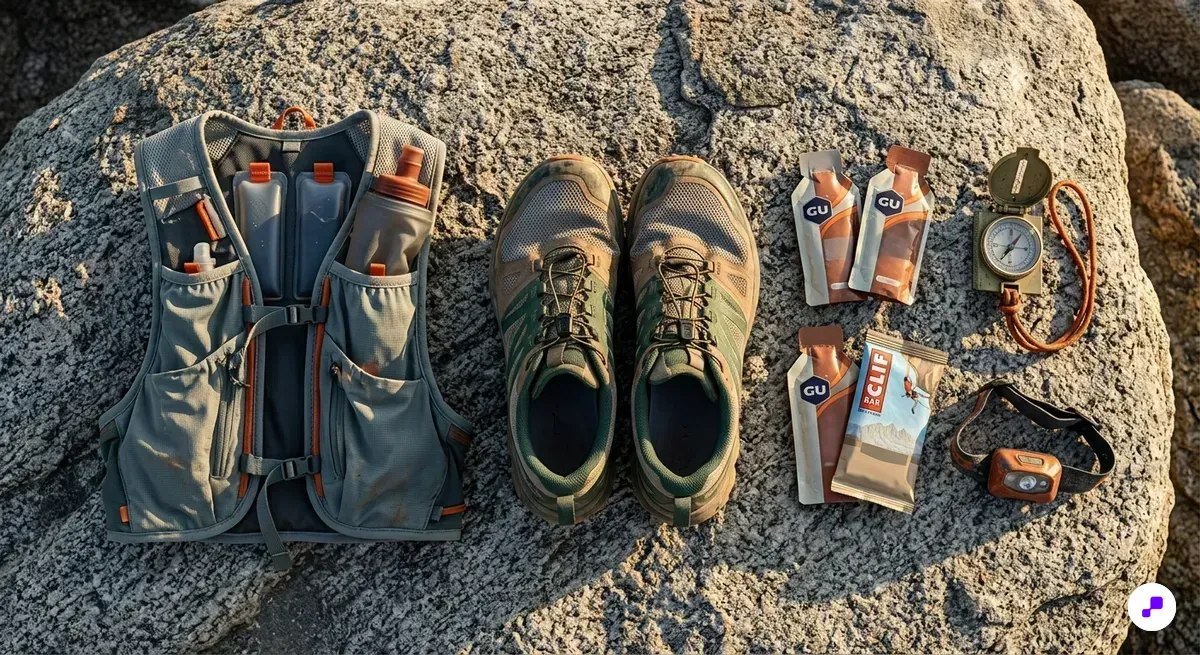
For sports and outdoor brands on Shopify, a well-designed tier structure does more than reward spending — it creates a progression journey that mirrors the athletic experience. The key is designing tiers where each level feels earned, with perks that genuinely improve the customer's sporting life. If you're building from scratch, start with our loyalty program checklist for sports stores to get the fundamentals right first.
3.2x
higher annual spend from top-tier loyalty members compared to non-members — in sports retail, the gap is even wider because gear investment scales with commitment
Bond Brand Loyalty Report 2025
VIP tiers reward your most active outdoor enthusiasts with early access to new gear drops and exclusive events.
Tier Naming & Structure Best Practices
The right tier names and structure set the tone for your entire loyalty program. Sports-specific naming creates emotional resonance that generic Bronze/Silver/Gold labels can't match.
Adventure-Themed Tier Names
high impactbeginner
Replace generic metal names with adventure terminology: Explorer (entry), Trailblazer (mid), Summit (high), Elite/Legend (top). These names resonate with outdoor enthusiasts because they mirror the progression from beginner to expert that athletes already pursue.
Example
A hiking brand switched from Silver/Gold/Platinum to Trailhead/Ridgeline/Summit/Peak. Tier upgrade conversations increased 22% because customers connected emotionally with the progression metaphor.
Wallet Pass Angle
Each tier gets a distinct wallet pass design — trail imagery for Explorer, mountain peaks for Summit, a custom badge for Elite. Members see their tier identity every time they check their phone.
Sport-Specific Tier Names
medium impactbeginner
If your store focuses on one sport, use terminology from that discipline. Running: Jogger → Racer → Marathoner → Ultrarunner. Cycling: Cruiser → Climber → Sprinter → Champion. Skiing: Green → Blue → Black → Double Black. Sport-native naming feels authentic, not corporate.
Example
A cycling brand uses Cruiser → Climber → Sprinter → Champion. Their customers frequently reference their tier in social media posts: 'Just hit Sprinter status at [brand]!' — free marketing through tier identity.
3-4 Tier Sweet Spot
high impactbeginner
Limit your program to 3-4 tiers. Fewer than 3 provides insufficient motivation to progress. More than 4 creates confusion and makes upper tiers feel unreachable. The ideal: an entry tier everyone starts in, a mid-tier achievable in 2-3 purchases, a premium tier for your top 15%, and an elite tier for your top 3%.
Example
A multi-sport retailer tested 3, 4, and 5-tier structures. The 4-tier model outperformed: 68% of members reached Tier 2, 22% reached Tier 3, and 5% reached Tier 4 — creating a healthy pyramid with aspirational progression.
Annual vs. Lifetime Qualification
high impactintermediate
For sports retail, annual qualification works better than lifetime. Sports customers' spending varies by season and life stage. Annual resets create urgency ('I need $200 more by December to keep my Summit status') and prevent inactive members from occupying top tiers indefinitely.
Example
An outdoor retailer switched from lifetime to annual qualification. Active spending increased 28% as members pushed to maintain their tier before year-end. They soften the reset with a 90-day grace period and a 'welcome back' bonus for re-qualification.
Spending Threshold Calibration
high impactintermediate
Set tier thresholds based on your actual customer spending distribution. Pull your Shopify analytics: top 3% of spenders define your elite tier, top 15% define premium, top 40% define mid-tier. This ensures each tier feels achievable while remaining exclusive. See our retention strategies for sports brands for how tiers drive repeat buying behavior.
Example
A trail running store analyzed their customer data: median annual spend $185, top 15% spend $450+, top 3% spend $900+. They set tiers at: Explorer ($0), Trailblazer ($200), Summit ($450), Legend ($900). 35% of customers hit Trailblazer within 6 months.
Entry & Mid-Tier Perk Examples
Entry and mid-tier perks must deliver immediate value to hook new members and motivate the climb. These perks should feel generous enough to earn loyalty but leave room for aspirational upgrades.
Entry Tier: Welcome Points & Basic Earning
high impactbeginner
Every customer starts in the entry tier with immediate benefits: welcome points (100-200), standard earning rate (1 pt/$1), access to the member-only reward catalog, and a wallet pass with points tracking. The entry tier should feel rewarding from the first purchase — not like a waiting room.
Example
A sports nutrition brand's entry tier includes 150 welcome points (enough for a free sample), 1 pt/$1 earning, and a clean wallet pass. 41% of first-time buyers install the wallet pass — creating an immediate retention hook.
Wallet Pass Angle
Entry tier wallet pass displays: member name, points balance, tier status, and a progress bar showing distance to next tier. Visible on lock screen alongside Apple Pay.
Entry Tier: Birthday Bonus & Product Samples
medium impactbeginner
Give entry-tier members a birthday points bonus (200-300 pts) and include product samples in their orders. These low-cost perks create surprise-and-delight moments that build emotional connection before the customer has invested deeply in the program.
Example
An outdoor apparel brand gives entry-tier members 250 birthday points and a random product sample in every 3rd order. Birthday-month spend is 2.1x higher than average months for entry-tier members.
Mid-Tier: Enhanced Earning Rate & Free Shipping
high impactbeginner
Mid-tier members earn 1.5x points per dollar and unlock free standard shipping on all orders. This is the tier where the loyalty habit solidifies. Free shipping removes the most common conversion barrier, and the enhanced earning rate creates visible acceleration toward rewards.
Example
A cycling brand's mid-tier ('Climber') offers 1.5x points and free shipping. Members who reach Climber status have 73% annual retention vs 38% for entry-tier members.
Mid-Tier: Early Access to Sales & New Arrivals
high impactbeginner
Give mid-tier members 24-48 hour early access to seasonal sales and new product launches. Sports customers are early adopters — they want the latest gear first. Early access costs nothing but creates genuine excitement and urgency. A great complement to the best rewards for sports customers.
Example
An outdoor retailer gives Trailblazer members 48-hour early access to new arrivals. Early-access purchases account for 31% of launch-week revenue with zero additional marketing spend.
Wallet Pass Angle
Push notification: 'Trailblazer early access starts NOW — new spring hiking collection is live for you 48 hours before everyone else. Tap to shop.'
Mid-Tier: Exclusive Content & Training Plans
medium impactintermediate
Unlock sport-specific content for mid-tier members: training plans, gear maintenance guides, nutrition advice, and trail/route recommendations. Content adds ongoing value between purchases and positions your brand as a knowledge authority, not just a product seller.
Example
A running store offers Trailblazer members a monthly training plan and gear care video series. Content-engaged members purchase 1.8x more frequently than those who don't engage with the content.
Premium & Elite Tier Perk Examples
Premium and elite tiers create aspirational goals that your best customers actively pursue. These perks must feel genuinely exclusive — not just 'more of the same.' The best premium perks are experiences that money alone can't buy.
Premium Tier: Free Expert Gear Fittings
high impactintermediate
Offer unlimited free professional fittings for premium-tier members: running gait analysis, bike fitting, boot fitting, ski boot alignment. These services have high perceived value, build deep product loyalty (fitted customers almost never switch brands), and drive confident purchases with near-zero returns.
Example
A specialty running store offers free gait analysis and fitting for Summit members. Fitted runners have a 94% same-brand repeat purchase rate for shoes — vs 48% for non-fitted customers.
Premium Tier: Pro Athlete Access & Exclusive Events
high impactadvanced
Give premium members access to sponsored athletes: Q&A sessions, training tips, exclusive group workouts, or meet-and-greets. For sports enthusiasts, meeting their athletic heroes is priceless. If you have brand ambassadors, this costs almost nothing to deliver.
Example
A trail running brand offers Summit members a quarterly video call with their sponsored ultramarathon runner. Summit member retention is 89% annually — the pro access is cited as the #1 reason members aim for this tier.
Premium Tier: Priority Warranty & Gear Protection
medium impactbeginner
Upgrade warranty and repair service for premium members. 48-hour priority processing, extended warranty periods, and hassle-free replacements. Outdoor gear takes a beating — knowing their investment is protected gives premium members confidence to keep buying from you.
Example
A hiking boot brand offers Summit members a 3-year warranty (vs 1-year standard) and 48-hour priority repair processing. Premium members rate their brand experience 4.9/5 vs 4.1/5 for entry-tier members.
Elite Tier: Product Testing & Pre-Release Access
high impactadvanced
Invite elite members to test pre-release products and provide feedback before public launch. Athletes love being first with new gear, and their real-world testing data is genuinely valuable for your product team. Frame it as exclusive access, not free samples — because that's what it is.
Example
A cycling accessories brand sends pre-release products to their top 40 Legend members. Testers share an average of 4.5 social posts about the product before launch, generating organic buzz that outperforms paid campaigns.
Wallet Pass Angle
Push notification: 'Legend exclusive: You've been selected to test our new trail shoe before anyone else. Tap for details and your testing kit shipping confirmation.'
Elite Tier: Dedicated Account Manager & Concierge
high impactadvanced
Assign your elite-tier members a dedicated account manager or concierge who handles their orders, recommends gear, and coordinates experiences. This white-glove service costs minimal staff time for a small elite group but creates loyalty that's nearly impossible to break. These are your most valuable customers — treat them accordingly.
Example
An outdoor retailer assigns a dedicated rep to their 25 Legend members. Legend members spend an average of $3,200/year and have 97% annual retention. The concierge investment pays for itself 12x over.
Elite Tier: Lifetime Membership Option
high impactintermediate
Offer a path to permanent elite status after maintaining the top tier for 3 consecutive years. Lifetime members never have to worry about annual requalification and become permanent brand ambassadors. This rewards long-term commitment and creates customers for life.
Example
A ski and snowboard brand offers Lifetime Legend status after 3 consecutive years in the top tier. 82% of eligible members re-qualify each year specifically to reach the lifetime milestone.
Tier Communication & Wallet Pass Experience
The best tier structure fails if members don't know where they stand or what they're working toward. These practices ensure your tiers stay visible, motivating, and easy to understand.
Visual Progress Bars on Wallet Pass
high impactbeginner
Display a clear progress bar on the wallet pass showing how far the member is from their next tier. '340 of 450 points to Summit — you're 76% there!' Visual progress taps into the same goal-tracking psychology that makes fitness apps addictive.
Example
A sports retailer added progress bars to wallet passes. Tier upgrade rate increased 34% because members could see exactly how close they were — creating natural urgency as they approached thresholds.
Wallet Pass Angle
Wallet pass header shows: current tier name + icon, points balance, and a visual progress indicator to next tier. Updated in real-time after every transaction.
Tier Upgrade Celebration Notifications
high impactbeginner
When a member reaches a new tier, send an immediate wallet push notification with a celebratory message and a summary of their new perks. Make it feel like crossing a finish line — athletes respond powerfully to achievement moments.
Example
A running brand sends tier-upgrade wallet notifications with confetti animations. 78% of newly upgraded members make a purchase within 7 days of the upgrade — celebrating their new perks.
Wallet Pass Angle
Instant push: 'Congratulations! You've reached Summit status! Here's what you just unlocked: free express shipping, 2x points, and pro athlete access. Welcome to the top 15%.'
Tier Retention Warning Notifications
high impactintermediate
60 and 30 days before annual tier expiration, send wallet push reminders showing how much the member needs to spend to maintain their tier. Include a list of perks they'll lose. Loss aversion is a powerful motivator — athletes don't want to lose status they've earned.
Example
An outdoor retailer sends 60/30-day tier retention warnings via wallet push. 52% of at-risk members make a qualifying purchase to maintain their tier — recovering $180K in annual revenue.
Wallet Pass Angle
Push: 'Your Summit status expires in 30 days. You need $85 more to keep free express shipping, 2x points, and early access. Don't drop back to Trailblazer!'
Tier Comparison Page on Website
medium impactbeginner
Create a clear comparison page showing all tiers side-by-side with their perks, spending thresholds, and the percentage of members in each tier. Transparency builds trust and aspiration. Include a 'What's My Tier?' calculator that estimates tier based on expected annual spending.
Example
A cycling brand's tier comparison page shows: 'Only 5% of our members are Champions.' The exclusivity data motivates mid-tier members — Champion qualification attempts increased 28% after adding this stat.
Tier-Specific Wallet Pass Designs
medium impactintermediate
Create visually distinct wallet pass designs for each tier. Entry tier gets a clean, simple design. Mid-tier adds a colored accent. Premium adds premium imagery. Elite gets a completely custom, exclusive design. The visual progression makes tier status feel tangible and shareable.
Example
A hiking brand designed 4 distinct wallet passes. Members screenshot and share their tier upgrades on social media — 15% of tier-up members post about it without any prompting.
Wallet Pass Angle
Each tier has a unique wallet pass: Explorer (white/green trail theme), Trailblazer (blue/mountain theme), Summit (dark/peak imagery), Legend (gold/custom badge). Members notice and appreciate the visual upgrade.
Pro Tips for Sports & Outdoor
1
Use sport-specific tier names that match your brand identity — athletes identify with progression language from their discipline (Summit, Champion, Elite) far more than generic corporate tiers (Bronze, Silver, Gold). The naming alone can increase tier upgrade motivation by 20%+.
2
Set your mid-tier threshold at 2-3 typical purchases so 40-50% of active customers achieve it within their first year. If fewer than 30% of members ever leave the entry tier, your thresholds are too high and engagement will stagnate.
3
Make tier benefits progressive and additive — each tier includes everything from the tier below, plus new exclusive perks. Never remove a benefit at a lower tier to add it at a higher one. Athletes track fairness closely.
4
Use wallet pass push notifications for both tier celebration (upgrade) and tier retention (expiration warning). These two notification types alone can increase tier engagement by 40% because they create positive reinforcement and loss aversion in sequence.
5
Review your tier distribution quarterly. If your top tier has more than 10% of members, your thresholds are too low. If your mid-tier has fewer than 25% of members, your entry-to-mid jump is too steep. A healthy pyramid keeps aspirational motivation alive.
Common Mistakes to Avoid
✕
Making the jump from entry tier to mid-tier too large. If a customer needs to spend $500 to leave the entry tier when their average order is $85, most will never experience the benefits of tiered loyalty. Start the progression early — $150-$200 for the first upgrade.
✕
Offering only bigger discounts at higher tiers. Sports customers at the elite level don't need 20% off — they need exclusive access, priority service, and recognition. Stacking discounts at top tiers trains your best customers to wait for deals, eroding margins on your highest-value segment.
✕
Hiding tier status from members. If customers have to log into a website and navigate to their account page to check their tier, you've failed. Wallet pass visibility is critical — members should see their tier every time they glance at their phone, making status and progress a constant, passive motivator.
Sports & Outdoor Benchmarks
22-38% (sports retail average; tiered programs push top-tier members to 60%+)
Avg. Repeat Purchase Rate
$350-$600 for premium-tier sports customers over 24 months — 2-3x higher than non-tiered members
Avg. Customer Lifetime Value
72% of sports customers say they actively try to reach higher loyalty tiers when the perks are meaningful
Loyalty Program Adoption
Create VIP Tiers That Athletes Want to Climb
Distinct wallet pass designs per tier, automated upgrades, progress tracking, and push notifications. built for Shopify sports brands.
Map your current customer spending distribution to design tier thresholds that create a healthy pyramid. Pick sport-specific tier names that match your brand. Start with 3-4 tiers and expand perk depth over time. JeriCommerce supports unlimited tiers with distinct wallet pass designs for each — plus automated tier upgrades, progress tracking, and push notifications built for Shopify.