Best Rewards to Offer Pet Supplies Customers in 2026
Pet supplies customers are uniquely motivated: they're shopping for someone they love unconditionally. That emotional connection changes what rewards resonate. Generic discounts feel transactional, but a free bag of premium treats or early access to a new flavor feels like spoiling their pet. If you're building a loyalty program for your pet supplies store, choosing the right rewards is the difference between a program customers ignore and one they actively engage with.
78%
of pet owners say they'd switch to a pet brand with better loyalty rewards, even if it costs slightly more — rewards are the #1 retention lever in pet supplies
Pet Industry Consumer Survey 2025
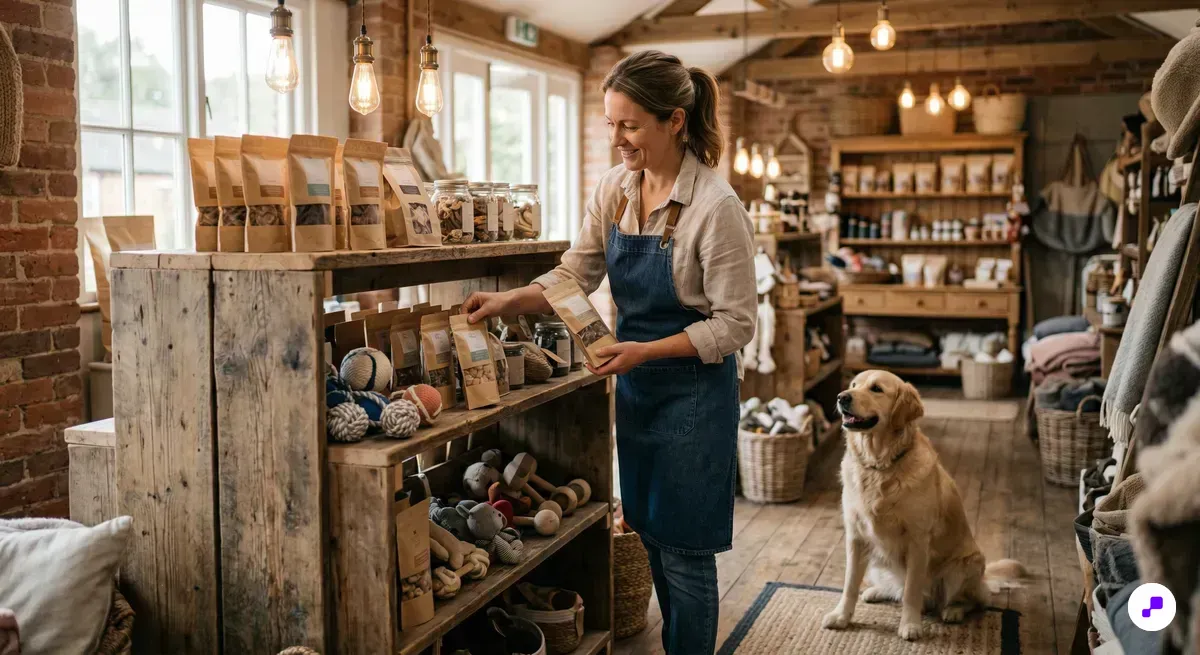
Boutique pet stores build loyalty through curated product rewards and personal service
Product-Based Rewards That Pet Parents Love
Product rewards work exceptionally well in pet supplies because customers are already buying consumables. Free samples, add-ons, and size upgrades feel generous without destroying your margins.
Free Treat Bag with Points
high impactbeginner
Let members redeem points for a free bag of treats (a small, high-perceived-value product). Treats have high margins and low shipping costs, making them the perfect reward. Pet parents feel like they're giving their pet a gift, not just spending points.
Example
A pet supplies store offers a free 8oz treat bag at 500 points. Redemption rate is 64% — 3x higher than their previous $5-off coupon reward at the same point threshold.
Food Bag Size Upgrade
high impactbeginner
Offer a free size upgrade on their next food order — buy a 15lb bag, get the 30lb bag at the same price. This feels incredibly generous (doubling their product) while your actual cost is much lower than a percentage discount on a separate purchase.
Example
A pet food brand offers bag upgrades at 1,000 points. The reward costs them $12 on average but has a perceived value of $35. Customers who redeem place their next order 8 days sooner.
Wallet Pass Angle
Wallet notification when upgrade is earned: 'You've unlocked a free bag upgrade! Your next food order gets doubled. Tap to apply.'
New Product Sampling
high impactintermediate
Let loyalty members claim free samples of new products before they're available to the public. Pet parents love trying new things for their pets, and sampling drives conversion to full-size purchases. Award bonus points if they leave a review after sampling.
Example
A natural pet brand sends samples to Gold+ members before launching new flavors. 42% of sample recipients purchase the full-size product within 30 days, and sample reviewers have 88% retention.
Birthday Treat Bundle
high impactintermediate
On the pet's registered birthday, send a curated treat bundle — a birthday-themed package with treats, a small toy, and a bandana. The cost is under $15, but the emotional impact is enormous. Pet parents share these on social media, creating organic brand awareness.
Example
A pet accessories brand sends birthday bundles to loyalty members. 74% are redeemed, 38% are shared on social media, and birthday-month orders are 3.1x higher than average.
Wallet Pass Angle
Wallet push 7 days before: 'Rocky's birthday is coming! Your birthday bundle is ready to claim. Tap to choose his favorites.'
Surprise Product in Subscription Orders
medium impactbeginner
Add an unexpected free product to every 4th or 5th subscription delivery. The surprise factor creates anticipation around deliveries and transforms a routine reorder into a mini unboxing experience. Rotate products to keep it fresh.
Example
A pet supplies store adds a surprise item to every 4th auto-ship delivery. Customers who've received surprises have 91% subscription retention vs. 68% for those without.
Discount & Financial Rewards That Drive Volume
While experiential rewards often outperform discounts, strategic financial incentives can drive purchase frequency and basket size when designed specifically for pet buying patterns.
Tiered Percentage Discounts
high impactbeginner
Offer escalating discounts by loyalty tier: 5% at Silver, 10% at Gold, 15% at Platinum. Apply automatically at checkout. Pet supplies margins on food are tight, but accessories and treats margins can absorb discounts. Consider applying tier discounts only to non-food categories for margin protection.
Example
A pet supplies store offers tiered discounts on accessories and treats (not food). Gold members spend 42% more on accessories than non-members, and the discount is offset by volume.
Free Shipping Reward
high impactbeginner
Let members redeem points for free shipping on their next order. Pet supplies are heavy — food bags and litter can make shipping costly. Free shipping is the #1 requested perk in pet ecommerce, and it removes the biggest barrier to completing an order.
Example
A pet supplies store offers free shipping at 300 points. It's their most-redeemed reward, and orders using the free shipping reward have a 28% higher AOV because customers add more items when shipping is free.
Dollar-Off Thresholds
medium impactbeginner
Offer $10 off $75, $25 off $150 type rewards. These threshold-based rewards encourage customers to add items to reach the minimum. Structure thresholds around your average pet food order size to ensure customers naturally qualify.
Example
A pet brand offers $10 off $75 at 400 points. Average redemption order is $92 — 23% above the threshold — proving the incentive drives basket building.
Double Points Shopping Events
medium impactbeginner
Run 48-hour double points events 4-6 times per year, timed to seasonal needs — spring (flea/tick season), summer (travel products), fall (back-to-routine), winter (indoor enrichment). The urgency drives purchases pet parents were already considering.
Example
A pet supplies store runs bimonthly double points weekends. These events generate 35% of quarterly loyalty engagement and AOV is 40% higher than regular orders.
Wallet Pass Angle
Wallet push: '48-Hour Double Points starts now! Stock up on flea prevention and earn 2x points. Members only.'
Subscription Price Lock
high impactintermediate
Reward loyal subscribers by locking their product price for 12 months, regardless of price increases. This protects against the #1 reason subscribers cancel (unexpected price hikes) and creates a tangible financial benefit for staying in the program. For more on keeping customers, see our pet supplies retention strategies guide.
Example
A pet food brand offers 12-month price locks to Gold+ subscribers. Price-locked subscribers have 87% 12-month retention vs. 62% for non-locked subscribers.
Experiential & Exclusive Access Rewards
These rewards cost little to deliver but create memorable experiences. They work because pet parents value exclusivity and feeling like insiders in the pet community.
Early Access to New Products
high impactintermediate
Let VIP members shop new product launches 48-72 hours before the public. New flavor drops, seasonal collections, limited-edition toys — early access makes loyal customers feel like insiders. The exclusivity window creates urgency without discounting. See how this fits into VIP tier structures for pet brands.
Example
A pet food brand gives Gold+ members 48-hour early access to new recipes. Early-access orders convert at 4.1x the rate of general launch-day purchases.
Wallet Pass Angle
Wallet push: 'VIP early access! Our new grain-free salmon recipe is live for Gold members only. 48 hours before everyone else.'
Virtual Vet Consultation
high impactadvanced
Offer a free 15-minute virtual vet consultation as a redeemable reward. Partner with a telemedicine vet service for volume pricing. The cost per consultation is $8-15, but the perceived value is $50+. This positions your brand as a pet wellness partner, not just a retailer.
Example
A pet wellness brand offers vet consultations at 2,000 points. Customers who redeem spend 55% more in the following quarter and have 92% annual retention.
Pet Photo Session Credit
medium impactadvanced
Partner with local pet photographers or offer a branded digital photo frame as a reward. Pet parents love professional photos of their pets. The reward creates a shareable moment that generates organic brand awareness.
Example
A pet accessories brand partnered with 20 local pet photographers to offer $50 session credits at 3,000 points. 89% of redeemers shared their photos on social media, tagging the brand.
Charity Donation Matching
medium impactintermediate
Let members convert points to donations for animal shelters, with your brand matching the donation. $1 donated = $1 matched. This appeals deeply to pet parents' values and creates emotional connection to your loyalty program that pure discounts can't match.
Example
A pet brand lets members donate points to partner shelters. 31% of top-tier members regularly donate, and these donating members have the highest NPS scores (72 vs. 41 for non-donating members).
Custom Pet Tag or Accessory
medium impactintermediate
Offer a custom-engraved pet tag or personalized bandana as a redeemable reward. These are low-cost items (under $8) with high emotional value. Every time the customer sees the tag on their pet's collar, they see your brand — it's physical brand presence that lasts for years.
Example
A pet brand offers custom-engraved tags at 1,500 points. Tags cost $6 to produce but have the highest satisfaction rating of any reward (4.9/5), and 82% of redeemers remain active 12 months later.
Referral Rewards That Grow Your Pet Community
Pet parents trust recommendations from other pet owners above all else. These referral-specific rewards turn that trust into growth. For a deeper dive, check our referral program ideas for pet brands.
Give a Sample, Get Points
high impactbeginner
The referrer's friend receives a free sample kit as their welcome reward. The referrer earns 500 points when the friend makes their first purchase. Samples lower the barrier to trial, and the referrer feels like they're giving a gift, not pushing a sale.
Example
A pet food brand sends sample kits to referred friends. 51% of sample recipients convert to paying customers within 30 days, and referrers earn an average of 2,100 points annually from referrals.
Matching Breed Bonus
medium impactintermediate
When a referred friend has the same breed as the referrer, both earn double the standard referral reward. Breed-specific communities are tight-knit, and this reward acknowledges the bond between pet parents who share breed experiences.
Example
A pet supplies store offers double referral points for breed matches. 28% of referrals qualify as breed matches, and these referrals have 43% higher first-order AOV.
Shelter Referral Partnership
medium impactintermediate
For every referral that converts, donate a bag of food to a local shelter in the referrer's name. This transforms referrals from self-interested to altruistic, making pet parents more willing to share. Send a wallet notification with the donation confirmation.
Example
A pet brand donates food per successful referral. Referral program participation increased 45% after adding the shelter donation component, and referred customers mention the donation in 60% of reviews.
Wallet Pass Angle
Wallet push after referral converts: 'Thanks to your referral, a bag of food was donated to Happy Tails Rescue in your name!'
Family & Friends Tier Unlock
high impactintermediate
Members who refer 5+ friends who purchase unlock a special 'Ambassador' tier with exclusive perks — higher point multipliers, free shipping, and quarterly gift boxes. This gamifies referral volume and creates a dedicated advocate community.
Example
A pet brand's Ambassador tier has 28 members who've collectively referred 340+ customers. Ambassadors have 97% annual retention and spend 4x the average customer.
First-Month Subscription Gift
high impactintermediate
Referred friends who sign up for a subscription get their first delivery free (up to $30 value). The referrer earns 1,000 points when the friend's 3rd delivery ships. This delays the referrer's reward to ensure the referral converts to a retained subscriber, not just a trial-and-cancel.
Example
A pet food brand offers first-month-free subscriptions via referral. 62% of referred subscribers are still active after 6 months, vs. 38% for subscribers acquired through ads.
Wallet Pass-Powered Rewards
Wallet-based rewards use Apple and Google Wallet passes to deliver, track, and redeem loyalty perks — no app download needed. These rewards leverage the always-on nature of the wallet for instant, frictionless engagement.
Instant Point Redemption at Checkout
high impactintermediate
Let customers apply loyalty points directly at Shopify checkout with one tap from their wallet pass. No codes to remember, no login required. The frictionless experience dramatically increases redemption rates — and customers who redeem rewards buy more frequently.
Example
A pet brand enabled one-tap wallet redemption at checkout. Redemption rates jumped from 22% to 58%, and customers who redeem place their next order 40% sooner.
Wallet Pass Angle
Wallet pass at checkout: 'Apply 500 points for $5 off? Tap to redeem.' One-tap redemption without leaving the checkout flow.
Dynamic Reward Recommendations
high impactintermediate
Use wallet pass back-of-card fields to display personalized reward recommendations based on the customer's point balance and purchase history. 'You're 200 points from a free treat bag!' creates goal proximity that drives the next purchase.
Example
A pet supplies store added dynamic reward proximity messages to wallet passes. Customers who see 'X points away' messaging purchase 32% more frequently than those without.
Wallet Pass Angle
Wallet pass reverse side dynamically updates: 'Your next reward: Free Dental Chews (250 more points needed). Order today to get there!'
In-Store Tap-to-Redeem
high impactadvanced
For stores with physical locations, let customers tap their phone to an NFC reader to identify themselves and redeem rewards in one gesture. No scanning, no app, no verbal exchange. The seamless experience impresses customers and speeds up checkout.
Example
A pet supplies chain with 6 locations installed NFC readers. In-store loyalty identification went from 40% to 85%, and in-store reward redemption doubled.
Wallet Pass Angle
NFC tap at register: identify member + show available rewards + redeem selected reward + award new points. All in one tap.
Location-Triggered Reward Alerts
medium impactintermediate
When a loyalty member is near your store or a partner vet clinic, push a wallet notification highlighting their available rewards. 'You have a free treat bag to redeem! Stop by while you're nearby.' Catches customers when they're already in a pet-related mindset.
Example
A pet store geofenced 10 locations. Geofence-triggered reward alerts have a 19% in-store visit rate within 24 hours.
Wallet Pass Angle
Geofenced wallet push near partner locations: 'You're near PetVet Clinic! You have 750 points — pop into our store next door to redeem.'
Reward Tier Visualization on Pass
medium impactintermediate
Display a visual progress bar on the wallet pass showing how close the member is to the next tier. Seeing '80% to Gold' creates goal-gradient motivation — customers increase spending as they approach the threshold. Update the visual in real-time with each purchase.
Example
A pet brand added tier progress visualization to wallet passes. Customers within 20% of the next tier increase purchase frequency by 45% as they approach the threshold.
Wallet Pass Angle
Wallet pass back fields show tier progress: 'Silver → Gold: 80% complete (200 pts to go)'. Updates after every purchase.
Pro Tips for Pet Supplies
1
Offer at least one reward redeemable within 2-3 purchases. Pet parents who earn and redeem a reward early are 4x more likely to stay active in the program. A free treat bag at 500 points is the perfect starter reward.
2
Test product rewards against discount rewards. In pet supplies, product rewards (free treats, bag upgrades, samples) consistently outperform percentage-off coupons in redemption rate, customer satisfaction, and post-redemption purchase frequency.
3
Use your pet profile data to personalize reward recommendations. A customer with a senior dog should see joint supplement rewards, not puppy toy rewards. Personalized suggestions increase redemption by 38%.
4
Time reward push notifications to the customer's replenishment cycle. Sending 'You've earned a free treat bag!' when they're due to reorder food drives both the reward redemption and the food reorder in the same transaction.
5
Make charity donation rewards visible to all members, not just those who donate. Seeing that your brand donates to shelters through the loyalty program builds emotional connection even among members who choose product rewards instead.
Common Mistakes to Avoid
✕
Setting reward thresholds so high that customers need 6+ months of purchases to earn anything. Pet supplies purchases are frequent but moderate in value — make the first reward achievable within 60 days and 2-3 orders to build the redemption habit.
✕
Offering only percentage-off coupons as rewards. Pet parents are motivated by their pets, not by savings math. A free treat bag worth $8 is more emotionally compelling than a $10-off coupon, even though the coupon has higher face value. Test product rewards — they almost always win.
✕
Letting rewards expire too quickly. A 30-day expiration creates resentment when a customer's next natural purchase is 45 days away. Use 12-month inactivity-based expiration instead — it protects your program without punishing loyal customers with different buying cycles.
Ready to launch rewards your pet customers will actually use? Start with 3-4 product-based rewards (treats, samples, bag upgrades) and add experiential perks as your program matures. JeriCommerce makes it simple — omnichannel loyalty with one-tap redemption, personalized rewards, and Shopify integration built for pet supplies brands. Get started with the free plan at jericommerce.com.